Why I Swear by This Quick Daily Move Routine for Real Wellness
You don’t need hours at the gym to feel stronger and more energized. I used to think fitness meant long workouts and sore muscles, but I’ve learned that small, smart movements make a real difference. This quick daily routine changed how I feel every single day—no hype, just honest results. If you’re short on time but want lasting wellness, this is for you. It’s not about perfection or performance; it’s about showing up for your body in simple, sustainable ways. And the best part? It takes less than 10 minutes. Science, experience, and daily practice have shown me that consistency beats intensity when it comes to long-term health. This isn’t a trend—it’s a lifelong commitment to feeling good from the inside out.
The Myth of “More Is Better” in Fitness
For years, the dominant message in fitness has been clear: work harder, push longer, go further. The belief that more is better has shaped how many people approach exercise, often equating effectiveness with exhaustion. Long gym sessions, high-intensity interval training, and marathon workouts are frequently held up as the gold standard. While these methods can be beneficial for some, they are not sustainable for everyone—especially for individuals juggling work, family, and household responsibilities. This mindset often leads to burnout, injury, or complete abandonment of physical activity altogether.
The truth is, the body doesn’t require extreme effort to improve. In fact, research from the American Heart Association and the Centers for Disease Control and Prevention (CDC) consistently shows that even short bursts of movement, when done regularly, can significantly enhance cardiovascular health, mood, and metabolic function. The key is not duration but consistency. When people feel pressured to commit to 60-minute workouts, they may delay starting altogether, waiting for the “perfect time” that rarely comes. This delay often results in inactivity, which does far more harm than good over time.
Shifting away from the “more is better” myth means redefining what success looks like in a fitness journey. Instead of measuring progress by sweat volume or calories burned, it’s more effective to focus on how you feel—whether you have more energy, better sleep, or less stiffness. Small, intentional movements accumulate into meaningful change. A five-minute stretch in the morning, a few minutes of walking after dinner, or a brief routine before bed can collectively support joint mobility, circulation, and mental clarity. The goal is not to become a fitness influencer but to become more present in your body every day.
Why Quick Movement Matters for Long-Term Health
Modern lifestyles are increasingly sedentary. Many adults spend hours sitting at desks, in cars, or on couches, which negatively impacts circulation, posture, and metabolic health. The human body was designed for movement, not stillness. When physical activity is absent, even for short periods, the body begins to experience subtle but significant declines in function. Muscles weaken, joints stiffen, and blood flow slows. Over time, this can contribute to chronic conditions such as type 2 diabetes, heart disease, and musculoskeletal pain.
Fortunately, science confirms that even brief, frequent movement can counteract these effects. A study published in the journal Medicine & Science in Sports & Exercise found that breaking up prolonged sitting with just two minutes of light walking every hour improved blood sugar control and insulin sensitivity. Another study from the University of Cambridge showed that individuals who engaged in regular light activity—such as stretching or slow walking—had lower risks of premature mortality, regardless of whether they also did vigorous exercise.
These findings highlight a crucial truth: movement doesn’t have to be intense to be valuable. Daily micro-activities—like standing up to stretch, rotating your shoulders, or doing a few gentle squats—help maintain joint lubrication, support lymphatic drainage, and stimulate the nervous system. They also enhance mental clarity by increasing oxygen flow to the brain. Unlike high-intensity workouts, which can feel daunting or physically taxing, light movement is accessible to nearly everyone, regardless of age or fitness level.
Perhaps most importantly, consistency builds resilience. When movement becomes a regular habit, the body adapts by improving balance, coordination, and endurance over time. These changes may not be dramatic at first, but they create a foundation for long-term wellness. Rather than chasing quick fixes or extreme transformations, prioritizing daily movement fosters a sustainable relationship with your body—one rooted in care, awareness, and respect.
My Go-To 10-Minute Daily Movement Framework
The routine I’ve come to rely on is simple, effective, and adaptable. It’s structured into four clear phases: warm-up, activation, mobility, and cooldown. Each phase serves a specific purpose, ensuring that the body is prepared, engaged, and relaxed in a balanced way. The entire sequence takes just 10 minutes, making it easy to fit into even the busiest mornings or evenings. No equipment is needed, and it can be done in a small space—whether it’s a living room, bedroom, or even a cleared kitchen floor.
The first phase, lasting two minutes, is a gentle warm-up. It begins with slow neck rolls to release tension, followed by shoulder circles and ankle rotations. These small movements increase blood flow to the joints and signal the nervous system that it’s time to move. I then transition into deep breathing while standing—inhaling through the nose for four counts, holding for two, and exhaling slowly through the mouth. This not only oxygenates the body but also calms the mind, setting a focused tone for the rest of the routine.
The second phase, activation, takes three minutes and focuses on engaging key muscle groups. I perform a series of wall push-ups to awaken the chest and arms, followed by seated pelvic tilts to activate the core. These movements are done slowly and with intention, emphasizing control over speed. The goal is not to tire the muscles but to reconnect with them—to remind the body of its strength and stability. This phase is especially helpful for those who spend long hours sitting, as it counteracts the slumping posture that can lead to back and neck discomfort.
The third phase, mobility, also lasts three minutes and targets full-body fluidity. I incorporate gentle spinal twists while seated, arm sweeps to open the shoulders, and slow leg swings to improve hip range of motion. These movements are smooth and rhythmic, designed to enhance joint flexibility without strain. I pay close attention to areas that tend to feel tight—like the lower back or hamstrings—and move within a comfortable range, never forcing a stretch. This phase helps reduce stiffness and prepares the body for the day’s activities.
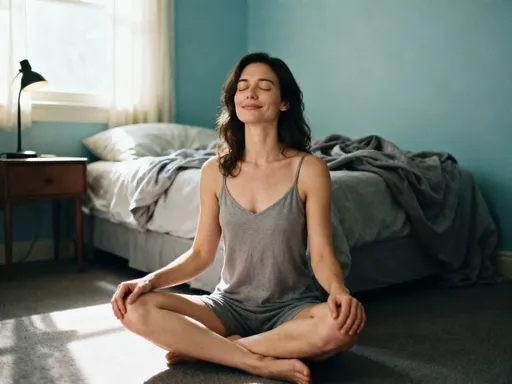
The final phase, cooldown, lasts two minutes and brings the routine to a peaceful close. I return to deep breathing while seated, adding a forward fold to gently release the spine. I finish with a brief moment of stillness, hands resting on the knees, simply noticing how my body feels. This moment of reflection reinforces the idea that movement is not just physical—it’s also mental and emotional. Over time, this structured yet flexible framework has become a non-negotiable part of my day, like brushing my teeth or drinking water.
The Three Core Moves That Make It Work
Within this 10-minute routine, three movements stand out for their outsized impact. They are simple, repeatable, and address some of the most common physical challenges faced by adults, especially those over 30. These moves are not flashy or complex, but they deliver consistent, measurable benefits when practiced daily.
The first core move is dynamic stretching for the spine and shoulders. I begin by standing with feet hip-width apart and slowly rolling my shoulders forward and backward in a circular motion. After several repetitions, I link my hands behind my back and gently lift them while opening the chest. This counteracts the forward hunch that develops from desk work or phone use. I then perform gentle side bends and forward folds, allowing the spine to move through its full range. These movements improve posture, reduce upper back tension, and enhance breathing capacity by opening the rib cage.
The second move is bodyweight squats, performed with a focus on form rather than speed or quantity. I stand with feet slightly wider than hip-width, toes turned out slightly, and lower myself as if sitting into a chair. I keep my chest lifted, knees aligned over toes, and engage my glutes throughout the motion. I perform 10 to 12 slow, controlled squats, ensuring each repetition is smooth and deliberate. This movement strengthens the legs and glutes, supports knee stability, and improves functional mobility—making everyday tasks like climbing stairs or lifting groceries easier and safer.
The third core move is mindful walking in place, coordinated with breath. I lift my knees gently, swing my arms, and inhale for three steps, then exhale for three steps. This rhythmic pattern creates a meditative effect, syncing movement with respiration. It increases heart rate slightly, improves circulation, and boosts alertness without causing fatigue. What makes this move powerful is its dual benefit: it’s both physical and mental. It wakes up the body while calming the mind, making it ideal for morning routines or afternoon resets.
Together, these three moves create a balanced mini-workout that supports strength, flexibility, and mental focus. They are easy to modify—those with limited mobility can perform the squat while holding onto a chair, and the walking in place can be done at any pace. Their simplicity is their strength; they require no learning curve, no equipment, and no special environment. Yet, over time, they produce noticeable changes in how the body feels and functions.
How to Fit It Into Any Schedule—Without the Stress
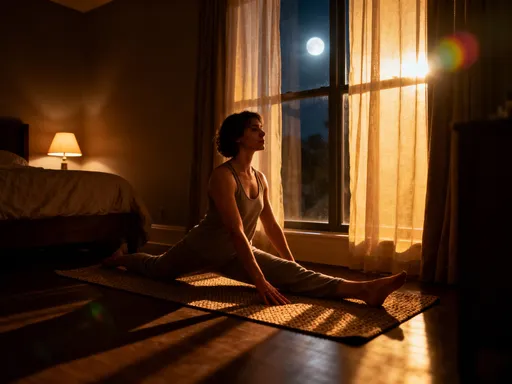
One of the biggest barriers to consistent movement is the belief that it requires dedicated time and space. But the beauty of this routine is its flexibility. It can be done at any time of day, in any setting, and without disrupting your routine. The key is to attach it to an existing habit—a strategy known as habit stacking. For example, I do my 10-minute routine immediately after turning off my alarm, before I even get out of bed. On other days, I do it right after brewing my morning tea or just before starting dinner.
Another effective strategy is to break the routine into smaller segments. If 10 minutes feels overwhelming, I might do the warm-up and activation in the morning, the mobility moves after lunch, and the cooldown before bed. The benefits still accumulate, and the sense of accomplishment builds momentum. The goal is not to follow a rigid schedule but to make movement a natural part of daily life.
Common obstacles like fatigue, lack of space, or low motivation can be addressed with small adjustments. If energy is low, I reduce the intensity—doing seated versions of the moves or shortening the duration. If space is limited, I focus on upper body stretches or breathing exercises. If motivation is lacking, I remind myself that even two minutes of movement is better than none. I also keep my workout clothes visible and my space clear, reducing friction and making it easier to begin.
Over time, this routine has become automatic. I no longer have to decide whether to do it—I simply do it. And on the rare days I miss it, I notice the difference: I feel stiffer, less alert, and slightly more irritable. This feedback loop reinforces the value of the practice and strengthens my commitment to it.
What Happens When You Do This for 7 Days Straight
Committing to this routine for just one week can yield surprising results. Many people report feeling more awake in the mornings, with less grogginess and stiffness upon waking. This is due to improved circulation and the activation of the parasympathetic nervous system, which helps regulate energy levels throughout the day. The body begins to expect the movement, creating a natural rhythm that supports alertness and focus.
Another common change is reduced physical discomfort. Areas that typically feel tight—like the lower back, hips, or shoulders—begin to loosen. Movements that once felt awkward, such as bending down or reaching overhead, become easier and more fluid. Stair climbing feels less taxing, and standing for long periods becomes more comfortable. These are non-scale victories—measurable improvements in function that don’t show up on a tape measure but are deeply felt.
Equally important is the shift in mindset. At first, the routine may feel like an obligation—something you “have to” do. But after a few days, many people begin to look forward to it. It becomes a moment of pause, a chance to reconnect with the body before the day begins. This psychological shift—from resistance to desire—is a powerful indicator of lasting change. It signals that the behavior is no longer forced but integrated into daily life.
Sleep quality often improves as well. Gentle movement in the morning or evening helps regulate the body’s internal clock, promoting deeper, more restful sleep. Combined with the stress-reducing effects of mindful breathing, this routine supports overall well-being in ways that extend far beyond the physical.
Building a Lifestyle, Not a Workout Plan
The ultimate goal of this routine is not to build muscle or lose weight—it’s to cultivate a deeper relationship with your body. Wellness is not a destination; it’s a daily practice. By choosing quick, conscious movement, you send a powerful message to yourself: I matter. My health matters. This small act of self-care reinforces self-worth and builds resilience against the stresses of modern life.
Unlike traditional workout plans that focus on performance metrics—reps, sets, calories burned—this approach emphasizes presence. It’s not about pushing harder or achieving more. It’s about listening to your body, honoring its needs, and moving with intention. Some days, you may feel strong and energized; other days, you may need gentler movements. Both are valid. The practice is not about perfection but about showing up, consistently and kindly.
Over time, these tiny choices compound. You begin to make other small, positive decisions—choosing water over soda, taking the stairs, pausing to stretch after sitting. These habits form a web of wellness that supports long-term health without requiring drastic changes. You don’t need to overhaul your life to feel better. You just need to move, a little and often.
This routine is not a shortcut. It’s a commitment—to yourself, to your energy, to your future. It’s a way to feel alive in your body every single day. And that, more than any fitness goal, is the true measure of success.