How I Fixed My Sleep with Simple Moves That Actually Work
Struggling with sleep? You're not alone. For years, I tossed and turned, chasing rest that never came. Then I discovered something surprising: gentle, intentional movement changed everything. Not intense workouts—just smart, body-friendly exercises timed right. My sleep deepened, energy soared, and mornings stopped feeling like a battle. This isn’t magic—it’s science-backed motion working *with* your body. Let me show you how the right movement, done right, can transform your nights.
The Hidden Link Between Movement and Sleep
Physical movement and quality sleep are deeply connected, though many overlook this relationship. The body operates on a natural 24-hour rhythm known as the circadian clock, which governs when we feel alert and when we feel sleepy. Regular, mindful movement helps reinforce this internal timing system. When you engage in physical activity during the day, especially in natural light, your body receives clear signals that it is time to be awake and active. This strengthens the contrast between daytime alertness and nighttime restfulness, making it easier to fall asleep when the evening comes.
One of the key ways movement supports sleep is through body temperature regulation. Exercise raises your core temperature, and the subsequent drop a few hours later mimics the natural cooling that occurs before bedtime. This decline is a powerful biological cue that encourages drowsiness and prepares the body for rest. Additionally, physical activity influences the release of melatonin, the hormone responsible for regulating sleep-wake cycles. Studies have shown that people who maintain consistent daily movement patterns tend to produce melatonin earlier in the evening, leading to smoother transitions into sleep.
Movement also plays a crucial role in managing stress hormones like cortisol. Chronic stress and elevated cortisol levels, especially in the evening, can interfere with the ability to relax and fall asleep. Moderate exercise has been proven to reduce cortisol over time while boosting endorphins and other mood-stabilizing chemicals such as serotonin. These neurochemical shifts help calm an overactive mind, which is often the real barrier to sleep—not lack of physical exhaustion. It’s important to understand that the goal isn’t to wear yourself out, but to create physiological balance that supports natural sleep onset.
A common misconception is that only vigorous workouts count. In reality, even light to moderate activities—such as walking, gardening, or gentle stretching—can significantly improve sleep quality when done consistently. What matters most is regularity and timing. Movement doesn’t have to be strenuous to be effective; it simply needs to be intentional and aligned with your body’s natural rhythms. By viewing daily activity as part of a broader sleep-supportive lifestyle, rather than a standalone fitness goal, you begin to see how small, sustainable actions can yield profound results in your nightly rest.
Why Tiredness Isn’t the Same as Sleep Readiness
Many people confuse physical fatigue with being ready for sleep, but these are two very different states. You might feel completely worn out after a long day of sitting at a desk, rushing between tasks, or caring for family—but still find yourself wide awake at 11 p.m., staring at the ceiling. This disconnect stems from the fact that mental hyperarousal, not physical tiredness, often blocks sleep. Your body may be exhausted, but your nervous system remains in a state of high alert, making it difficult to transition into restful sleep.
Poor movement habits—or the lack of movement altogether—play a major role in this imbalance. Long periods of sedentary behavior disrupt the body’s natural signaling systems. When you spend hours sitting, your muscles remain underused, your circulation slows, and your brain doesn’t receive the full benefits of increased blood flow and oxygenation that come with physical activity. Over time, this can dull the body’s ability to recognize when it’s time to wind down. Research has consistently shown that individuals with predominantly sedentary lifestyles are more likely to report symptoms of insomnia, delayed sleep onset, and frequent nighttime awakenings.
The absence of rhythmic, intentional movement during the day can leave the body without a clear sense of day-night distinction. Without physical signals that reinforce wakefulness, the contrast between being alert and being asleep becomes blurred. This makes it harder for the brain to switch off at night, even when you’re physically drained. On the other hand, incorporating structured movement into your daily routine—such as a midday walk or short stretching break—helps reset your internal clock and creates a stronger foundation for sleep readiness.
It’s also important to recognize that not all movement is created equal when it comes to sleep preparation. Frantic, last-minute activity—like rushing around the house before bed or doing intense chores in the evening—can actually increase stress hormones and delay sleep. True sleep readiness comes from consistent, calming physical engagement throughout the day, not from last-minute bursts of effort. By aligning your movement patterns with your circadian rhythm, you support both physical vitality and mental calm, creating the ideal conditions for restful, uninterrupted sleep.
The Problem with Evening Workouts (And What to Do Instead)
While regular exercise is beneficial for sleep, the timing of that exercise matters significantly. Engaging in high-intensity workouts too close to bedtime—such as vigorous strength training, sprinting, or intense cardio—can interfere with your ability to fall asleep. These activities elevate heart rate, increase core body temperature, and stimulate the release of adrenaline and cortisol, all of which are counterproductive when your body should be winding down. For some, especially those already prone to anxiety or light sleep, evening exertion can delay sleep onset by 30 minutes or more.
The ideal window for moderate to vigorous exercise is earlier in the day, preferably in the morning or afternoon. Morning workouts, in particular, have been associated with improved sleep quality because they help anchor the circadian rhythm with a strong wake-up signal. Exposure to daylight during outdoor exercise further enhances this effect by boosting serotonin production, which later converts to melatonin. Afternoon activity is also beneficial, as it allows enough time for the body to cool down and for stress hormones to normalize before bedtime.
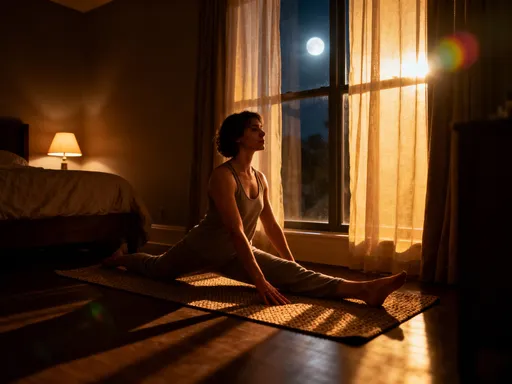
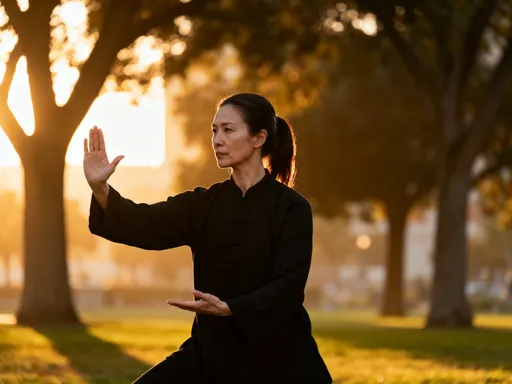
If your schedule only allows for evening movement, the key is to choose low-impact, relaxing activities that support, rather than disrupt, your sleep preparation. A gentle walk after dinner, for example, can aid digestion and promote relaxation without overstimulating the nervous system. Similarly, light stretching, restorative yoga, or tai chi can help shift the body into a parasympathetic (rest-and-digest) state. These practices emphasize slow, controlled movements and deep breathing, which signal safety and calm to the brain.
One particularly effective option is a short post-dinner stroll of 10 to 20 minutes. This simple habit has been shown to stabilize blood sugar levels, reduce evening stress, and improve sleep onset. Unlike intense workouts, walking does not raise body temperature significantly, and when done in a quiet, peaceful environment, it can serve as a mental transition from the busyness of the day to the stillness of the night. By replacing late-night vigorous exercise with calming, intentional movement, you create a smoother pathway to sleep without sacrificing your fitness goals.
My Go-To Daytime Movement Routine for Better Nights
Creating a consistent daytime movement routine doesn’t require hours at the gym or complex equipment. A simple, 20–30 minute practice done most days can make a noticeable difference in sleep quality. My personal routine begins with a brisk 15-minute walk outdoors, ideally in the morning or early afternoon. This gets my blood flowing, exposes me to natural light, and sets a positive tone for the day. I focus on maintaining good posture—shoulders relaxed, spine tall, arms swinging gently—and pay attention to my breathing, inhaling deeply through the nose and exhaling fully.
Following the walk, I incorporate light resistance exercises using body weight or resistance bands. These include wall push-ups, seated leg lifts, and standing shoulder rolls. The goal isn’t muscle building but rather activating major muscle groups to improve circulation and joint mobility. I perform two sets of 10–12 repetitions for each exercise, taking short rests between. This portion of the routine takes about 10 minutes and leaves me feeling energized without strain. The combination of cardiovascular and resistance elements supports both physical endurance and metabolic health, both of which are linked to better sleep.
Finally, I spend 5 minutes on posture and alignment work. Poor posture, especially from prolonged sitting, can contribute to tension in the neck, shoulders, and lower back—areas that often become uncomfortable at night and disrupt sleep. I do simple corrective exercises like chin tucks, scapular squeezes, and seated spinal twists. These movements help release built-up tension and improve body awareness. Over time, this focus on posture has reduced nighttime aches and made it easier to find a comfortable sleeping position.
The benefits of this routine extend well beyond the physical. Because it includes daylight exposure, it helps regulate my circadian rhythm by boosting daytime serotonin levels. Serotonin is a precursor to melatonin, so supporting its production during the day naturally enhances sleep hormone release at night. Many people who adopt similar routines report falling asleep faster, experiencing fewer nighttime awakenings, and waking up feeling more refreshed. The key is consistency—doing it most days, even when motivation is low, builds a powerful habit that supports long-term sleep health.
Wind-Down Moves: The 15-Minute Night Ritual That Works
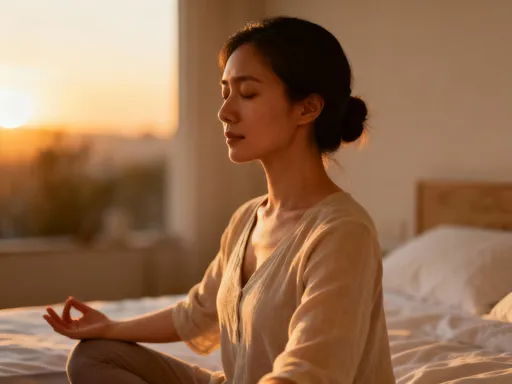
As bedtime approaches, the goal shifts from energizing the body to calming the nervous system. A dedicated 15-minute wind-down movement ritual can be one of the most effective tools for preparing the body and mind for sleep. This isn’t about exercise in the traditional sense; it’s about gentle, intentional movements that signal safety, relaxation, and readiness for rest. The focus is on activating the parasympathetic nervous system—the part of the autonomic system responsible for rest, digestion, and recovery.
One of the most effective techniques is diaphragmatic breathing, also known as belly breathing. I begin by lying on my back with knees bent or legs extended, one hand on my chest and the other on my abdomen. I inhale slowly through the nose, allowing the belly to rise while keeping the chest still, then exhale fully through the mouth. I repeat this for 5 minutes, aiming for 6–8 breaths per minute. This type of breathing reduces heart rate, lowers blood pressure, and calms the mind by reducing the activity of the sympathetic (fight-or-flight) system.
Next, I move into the leg-up-the-wall pose, a simple yet powerful restorative posture. I position my sitting bones close to a wall, then swing my legs up so they rest vertically against it, arms relaxed at my sides. I stay in this position for 5–7 minutes. This gentle inversion encourages blood to flow back from the legs, reduces swelling, and creates a soothing sensation of release. Many women in the 30–55 age range find this particularly helpful after long days on their feet or dealing with circulation issues.
I finish with a series of gentle neck and shoulder releases. I perform slow head tilts—bringing the right ear toward the right shoulder, holding for 15 seconds, then switching sides. I also do seated shoulder rolls forward and backward, followed by gentle chin tucks to release tension in the front of the neck. These movements target areas where stress commonly accumulates, helping to prevent the discomfort that can interfere with sleep. Performing this sequence nightly creates a predictable, comforting routine that the body learns to associate with sleep, making it easier to drift off naturally.
Finding Your Body’s Sweet Spot: Avoiding Over- or Under-Movement
When it comes to movement and sleep, more is not always better. Both overexertion and inactivity can negatively impact rest, so finding your body’s unique balance is essential. Over-movement—such as pushing through intense workouts daily without adequate recovery—can lead to elevated nighttime heart rate, restlessness, and even insomnia. Signs of overexertion include persistent muscle soreness, difficulty falling asleep despite exhaustion, and waking up feeling unrefreshed. These are signals that your nervous system is under stress, not in recovery.
On the other hand, under-movement—spending most of the day sitting with little physical variation—can leave the body without clear circadian cues and reduce sleep pressure. Without sufficient physical engagement, the body doesn’t build up the gentle fatigue that supports natural sleep onset. The solution lies in consistency, not intensity. Research shows that people who engage in moderate, regular movement—even if it’s just 20–30 minutes a day—tend to have better sleep quality than those who alternate between intense workouts and long periods of inactivity.
Individual needs vary based on age, fitness level, and lifestyle. For many women in their 30s to 50s, especially those managing family, work, and household responsibilities, the goal should be sustainability. A 15-minute walk, a short stretching session, or a few minutes of posture correction throughout the day can be more beneficial than an hour-long workout done once a week. Listening to your body is crucial: if movement leaves you feeling energized and calm, you’re likely on the right track. If it leaves you drained or agitated, it may be too much or poorly timed.
The sweet spot is regular, rhythmic activity that supports your natural energy cycles. This means prioritizing movement during daylight hours, avoiding late-night intensity, and incorporating gentle practices in the evening. By tuning into your body’s responses and adjusting accordingly, you create a personalized routine that enhances sleep without adding stress. Over time, this balanced approach leads to deeper, more restorative rest and greater overall well-being.
Beyond the Bedroom: How Daily Habits Amplify Movement’s Sleep Benefits
Movement is just one part of a holistic approach to better sleep. Its effectiveness is greatly enhanced when combined with other supportive daily habits. Hydration, for example, plays a quiet but significant role. Staying well-hydrated during the day supports circulation, muscle function, and cognitive clarity—all of which contribute to better sleep. However, it’s wise to reduce fluid intake in the two hours before bed to minimize nighttime awakenings for bathroom trips. Drinking water earlier in the day, especially during or after movement, maximizes benefits without disrupting rest.
Screen management is another critical factor. The blue light emitted by phones, tablets, and televisions can suppress melatonin production, making it harder to fall asleep. Pairing your evening wind-down routine with a digital curfew—turning off screens at least 60 minutes before bed—creates a powerful synergy. Use that time instead for gentle movement, reading, or quiet conversation. The combination of reduced stimulation and calming physical activity sends a clear message to your brain that it’s time to rest.
Meal timing also interacts with movement and sleep. Eating large, heavy meals late in the evening can lead to discomfort and indigestion, interfering with sleep onset. A light dinner followed by a short walk supports digestion and helps regulate blood sugar levels overnight. Avoiding caffeine after 2 p.m. and limiting alcohol—especially close to bedtime—further improves sleep quality. While alcohol may initially make you feel drowsy, it disrupts the later stages of sleep, reducing restorative deep sleep and REM cycles.
When these habits work together—consistent daytime movement, proper hydration, screen awareness, and mindful eating—they create a strong foundation for lasting sleep improvement. No single change is a magic fix, but their combined effect is transformative. Movement becomes more effective when supported by a lifestyle that honors the body’s natural rhythms. By making small, sustainable adjustments, you build a sleep-supportive environment that works with, not against, your physiology.
Improving sleep through movement isn’t about drastic changes—it’s about working *with* your body’s natural rhythms. The right exercises, at the right time, in the right way, can reset your sleep without pills or strict rules. This approach is safe, accessible, and backed by physiology. Start small, stay consistent, and let your body’s own intelligence guide you to deeper, more restorative rest.